
Conflict, Repair, and What We Need to Reconnect
Using the Gottman’s “Aftermath of a Fight” Structure to Truly Resolve Conflict
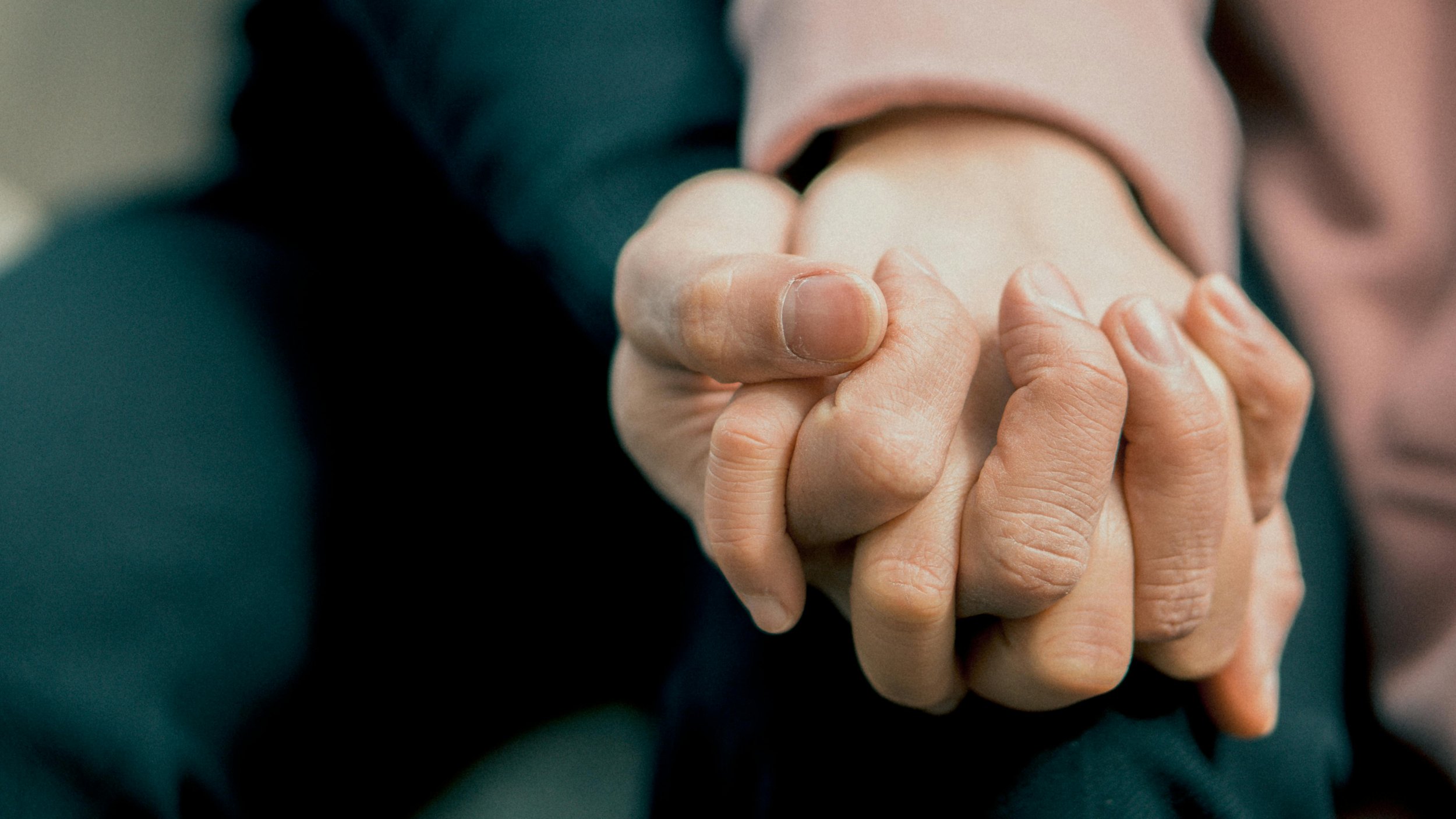
“I didn’t know it was an option that we could talk about a conflict and actually resolve it instead of just rehashing it”, a client said to me recently in a couples therapy session. This comment reflects a greater theme that I hear from partners all the time -many partners feel lost and need support when it comes to repairing and reconnecting after a fight.
This reaction makes total sense, because we’re rarely taught the emotional tools needed to navigate conflict well. Like any skill, repair must be learned. It requires naming and honoring both our own emotions and our partner’s, which can be a delicate process.
How Our Families Impact our Approach to Conflict
Our family is the training ground where we can learn these kinds of skills, because we get to witness what it takes to navigate connection day-to-day both in our own relationships with siblings and parents, but also in watching our parents’ interactions as well. And depending on the family we were raised in, we can have wildly different experiences of communication, conflict, and repair.
Some kids had the experience of seeing healthy conflict, where mom and dad got into arguments and got frustrated with each other (as humans do) but were generally respectful; they also got to see their parents arrive at understanding with each other, apologize, and reconnect. These kids got to witness conflict and repair in action, thereby learning some of the skills necessary to make that happen - and also seeing that conflict does not necessarily spell disaster and can make couples feel closer in working through it together.
Some kids lived in families where conflict wasn’t really a “thing”. Perhaps issues were swept under the rug and avoided between their parents, or in the family dynamic as a whole. Or perhaps their parents really were working through conflict, but only did it behind closed doors for privacy, or to attempt to protect their children from tension. Having no context for what conflict can look like in a relationship can lead to children learning to cope in different ways: avoiding, appeasing, shutting down, or maybe even leaning into conflict to do the opposite of their family but not knowing where to start.
Finally, some kids had the experience where conflict was “anything goes”, meaning that there were no rules of engagement and you could do whatever you wanted to get your point across and protect yourself. They may have witnessed their parents get vicious in conflict, engaging in all different kinds of disrespectful communication. Even more harmful, kids may have witnessed verbal abuse or physical violence between their parents. These kids may have learned that fights were like storms: they were scary and full of energy, but would pass eventually…until the next one came. As adults, they may replicate this pattern in some way - perhaps not with the same level of intensity, but following a similar dance of blow-ups and letting them pass. Alternatively, they may be so scared of conflict that they will do whatever it takes to get through it as quickly as they can, or avoid it altogether.
Cultural Messages
Regardless of the families we grow up in, we are also all steeped in a culture that sends the message that if you really love someone, you will just know how to work things out. This societal assumption implies that you don’t need to do silly things like learn skills or practice using relational tools to build comfortability in them, because love transcends all. This can isolate and bring up shame for couples who truly love each other and want to figure things out together and repair, but feel stuck in patterns of disconnection.
The reality is that you can love one another, and still need to learn how to love each other well and make each other feel safe when it comes to conflict and repair.
Tools to Help in the Journey of Conflict and Repair
This is where the Gottmans come in. John and Julie Gottman, relationship psychologists and researchers, are experts in the field of relationship work and have devoted their life’s work to helping couples stay close and connected amidst the stressors and challenges of life. In fact, they have been able to predict whether a couple will divorce or not with over 90% accuracy! One of the tools they offer to couples is the “Aftermath of a Fight” guide, which leads partners through a thorough process of repair after a conflict, resulting in more true resolution.
The Structure
Before diving into the conversation, you should begin aligned with your partner by having the same basic assumptions.
First, you want to make sure you have taken time to cool down to avoid getting pulled back into the fight. You also want to both agree on a goal of understanding rather than winning. Lastly, have the knowledge that both pespectives are valid and hold truths.
Once you’re feeling on the same team, you can enter into the meat of the conversation. This structure flows through five main sections.
Feelings
Each of you take turns simply stating what you felt in the conflict- without explaining or blaming.
Realities
Describe your experience using “I” statements. The listener reflects and validates what you shared, and vise versa.
Make sure to validate at least something specifically about your partner’s experience - i.e. “It makes sense that you felt unheard in that conversation”.
If both partners feel heard and understood by each other, you can move to the next step. If not, there is more digging that needs to be done - great questions to ask your partner are, “What am I missing here? What do I need to hear to understand where you’re coming from?”. Then follow the same steps to reflect and validate your partner, confirming with them if they feel understood after the fact.
Triggers
Explore what deeper wounds were activated and share the personal history behind it.
Ask yourself - what point in the conversation triggered a big reaction in myself? At what point did the conversation escalate - and what happened right before that? Now get curious with yourself about the familiar feelings that surfaced in you, and what time in the past triggered similar feelings.
Continuing to share these stories and triggers helps you and your partner create an environment of support and sensitivity in your relationship.
Responsibility
Each person owns their part and expresses genuine remorse. This takes humility and is difficult to do, but it is so important to show remorse for our part in the fight - because we all have a part to play in conflict. When taking responsibility, you should both own what you did that set you up for the miscommunication and conflict, and what you did specifically in the conflict that you regret.
Constructive Plans
This is a really helpful step of conflict that we often miss - what do we want to do differently in the future to prevent this? It may be something like checking in more proactively with each other, instead of letting time pass without a real conversation. Each of you can offer something that you want to do differently, and request something from your partner as well.
What Can Go Wrong?
There are many places couples can get stuck when navigating this conversation. Make sure to watch out for what the Gottmans call “the Four Horsemen of the Apocalypse" in conversation with each other: criticism, defensiveness, contempt, and stonewalling. Work to practice engaging in their antidotes: using a gentle startup, taking responsibility, describing your own feelings and needs, and engaging in self-soothing in the moment.
A history of trauma or unresolved conflict may make conflict and repair conversations feel scary, and your body may still be in “protect mode”, which can complicate having a vulnerable conversation. Working to help your body feel safe over time can assist your nervous system to calm enough to have productive conversations. Conflicts also may follow a familiar pattern, where you seem to be stuck in the same types of arguments over and over again with your partner. These can center around your emotional or sexual relationship, and often take more concerted effort than a one-time repair conversation to shift negative cycles and to feel more like a team.
Conclusion
Couples need repair to be able to reconnect and truly move forward from a conflict; you’re not alone if this is difficult for you and your partner. With time and practice, using the tools and structure laid out in the “Aftermath of a Fight” guide can help you and your partner feel more heard, understood, respected, and seen by each other. If you find yourself getting stuck and need support navigating repair with your partner, please feel free to reach out to us here at the Haven; we have several couples therapists who would love to help you find your way from the pain of disconnection to greater understanding and reconnection in your relationship.

About the Author
Kirstin Franklin is a Licensed Marriage and Family Therapist and Certified Clinical Trauma Professional. Kirstin helps clients examine relational patterns, get in touch with their emotions and needs, and practice expressing themselves with greater vulnerability, connection, and authenticity.