
browse Our Blog LibraryFEATURED BLOGS
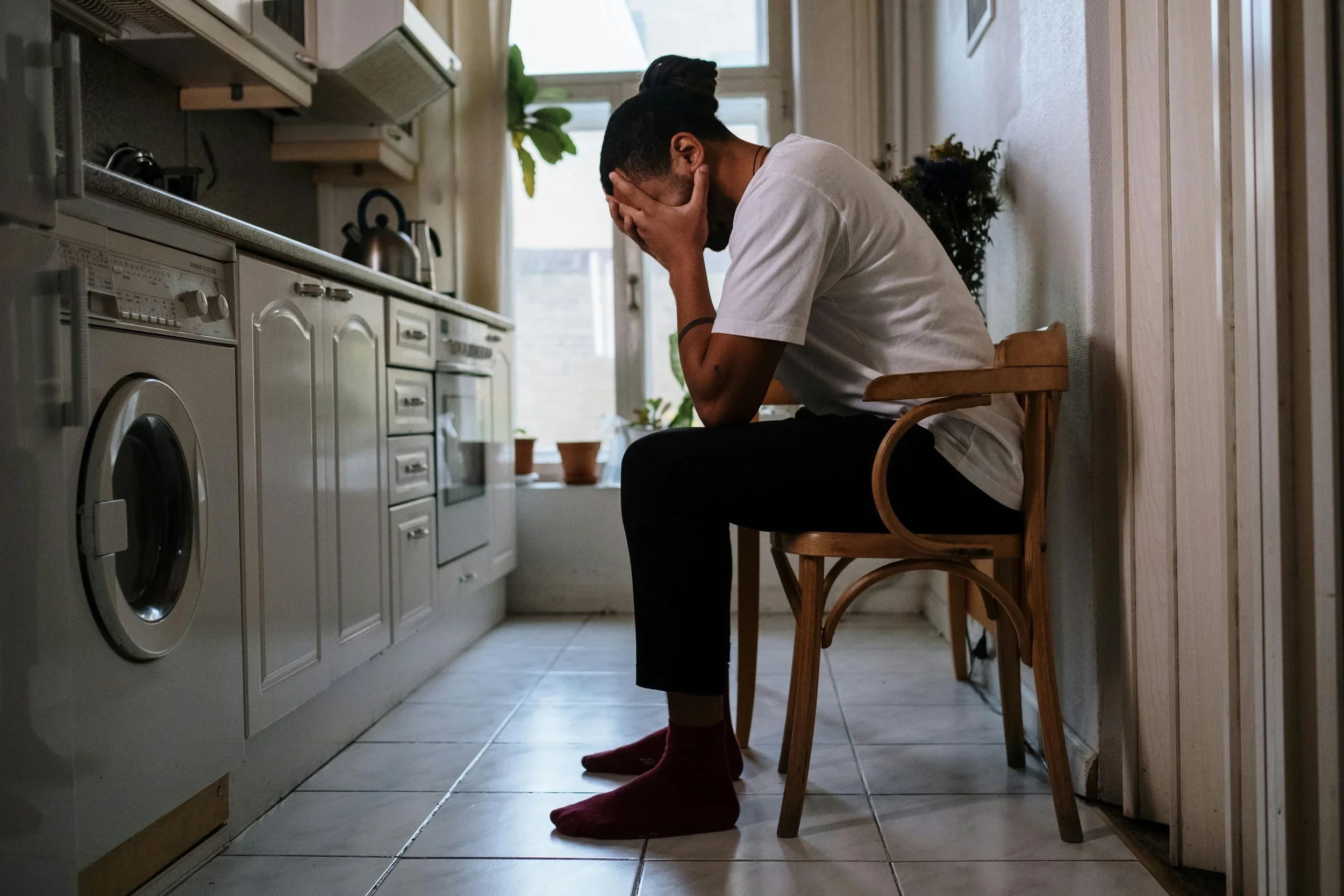
A Letter to Men Navigating Betrayal Trauma
But beyond the deeply personal pain, there's an additional layer of cultural complication: the world often doesn’t hold much space for betrayed men.

Security Within: How Our Sense of Self Influences Our Relationships
Exploring the link between inner security and relationship security through attachment theory and boundaries.

Are We Compatible? Navigating Relationship Differences
Do you and your partner keep fighting about the same thing over and over again? Most likely you’re dealing with a perpetual problem.
Select a Specialty to Explore


Betrayal


Intimacy
& Sex


Relationship Support


Boundaries
& Emotions


Addiction Recovery


Trauma

Your Body Is Not The Enemy - Rebuilding a Relationship with Yourself After Betrayal Trauma
After betrayal, it can be easy to turn against the very body that has carried you through it. You may become more critical of your appearance, compare yourself to others, struggle with food or sexuality, or feel disconnected from your body altogether. Healing invites you to begin rebuilding a relationship with yourself rooted in trust, compassion, and connection.

The Role of Resentment in the Betrayal Recovery Process
Betrayal doesn’t just break trust—it reorganizes the nervous system. Resentment often emerges as a protective response, signaling unmet needs, unresolved grief, and a body still learning how to feel safe again. This article explores resentment not as a failure to heal, but as an adaptive response that deserves understanding, support, and care.

Boundaries After Betrayal - How to Begin Creating Safety
Betrayal shakes the very foundation of trust and safety, leaving you questioning your judgment and self-worth. Creating clear, healthy boundaries after betrayal is essential for reclaiming emotional security and self-respect. Learn how to identify your limits, communicate your needs, and enforce boundaries that protect your heart while fostering trust and healing.

What Your Emotions Are Telling You After Betrayal
Betrayal trauma doesn’t come with a clear path forward, and the emotional chaos it leaves behind can be both confusing and overwhelming. In an instant, your world becomes a swirl of conflicting emotions — you might not even know what to feel first.
Whether you feel deeply hurt, eerily numb, or a mixture of both, just know this: your reaction makes sense.

Betrayal Safety-Seeking Behaviors: How Trauma Shapes Our Need for Protection
Betrayal trauma doesn’t just break trust — it rewires the nervous system. Even after the lies stop, the body remains on high alert, seeking safety in ways that can feel confusing or even “crazy”.

When Everyone Has an Opinion: Navigating Family and Friendships After Betrayal
In the aftermath of betrayal, the emotional weight can be compounded by the reactions of others - leaving you to sort through not only your own pain, but also their expectations. Setting boundaries, identifying who feels safe, and honoring your own pace are essential steps in protecting your healing and reclaiming a sense of control.

Shame After Betrayal: The Silent Weight We Carry
Experiencing betrayal can leave lasting emotional impacts, and shame is one of the most common and misunderstood responses. Healing starts with understanding, and you do not have to face it alone.

A Letter to Men Navigating Betrayal Trauma
But beyond the deeply personal pain, there's an additional layer of cultural complication: the world often doesn’t hold much space for betrayed men.

Rebuilding Self-Trust After Betrayal
Self-trust is the confidence in one’s own judgment, abilities, and intuition. It allows us to navigate life authentically, making choices aligned with our values. However, betrayal can shake this foundation, leading to intense reflection on our relationships—with ourselves and others.

Healing Hearts: Coping with Betrayal
Healing Hearts: Coping with Betrayal - Betrayal is a profound emotional wound that can shake the foundation of one’s trust and sense of security. Whether it stems from infidelity, broken friendships, or family betrayals.

The Do’s & Don’ts of Supporting a Loved One with Betrayal Trauma
When someone close to you experiences the deep wound of betrayal—whether through infidelity or deception—it can be hard to know how to help. Learn how to be a steady, empathetic presence as they navigate grief, confusion, and healing at their own pace.

Full Disclosure: Getting the Truth
The need for truth is fundamental to healing from a wound like betrayal. If partners healing from betrayal want to rebuild trust in your relationship, it must start from a foundation of honesty.

My Partner Has An Addiction… Now What?
If you are a partner of someone with an addiction, there’s no wonder so many emotions come up for you. This is about YOU and your decision for how you want to move forward.

Trust: When to Extend and How to Rebuild
Deciding when to trust is hard, and finding the balance between when to or not to extend trust is essential to protecting your well-being, safety, and ability to fully thrive in your relationships.

12 Layers of Betrayal Trauma
Infidelity within a relationship causes a ripple effect that impacts multiple facets of the betrayed partner's life and lived experiences. It impacts our mind, body, and spirit. This multi-layered betrayal results in a type of trauma that is referred to as betrayal trauma.

The Aftermath of Deception: A Roadmap for Partners Overcoming Betrayal Trauma
The trauma of betrayal is earth-shattering, penetrating nearly every corner of life. Although the journey to betrayal trauma recovery is long and painful, many betrayed partners walk through these 5 steps, and with the support of their therapeutic team, overcome debilitating pain and reconnect with an even stronger self.

The Impact of Betrayal Trauma on Sex
Betrayal trauma immensely impacts how we view sex and intimacy. Something that was supposed to bring healthy vulnerability now feels completely different. So, how do you heal? The key is to first rebuild emotional intimacy with your partner.

Forgiveness After Betrayal
If you have been betrayed, the thought of forgiving your betrayer may seem undesirable and even impossible. So, why would you consider forgiveness at all and where do you start?

The 6 Stages of Partner Recovery
The road to partner recovery after betrayal can be long and difficult. While we cannot rush this process, knowing the 6 stages to recovery is a great place for anyone to start their healing journey.

I Can’t Manage this Crisis… or Can I?
You are managing a crisis and you must take care of you. Dialectical Behavioral Therapy (DBT) describes crisis management as distress tolerance. The distress still remains, but you are able to tolerate the pain with some skills.